When temperatures drop, your plumbing system becomes especially vulnerable. Frozen pipes can lead to burst lines, costly water damage, and unexpected emergencies. Fortunately, with the right preparation, you can protect your home and avoid plumbing headaches during the colder months.
Why Frozen Pipes Are a Serious Risk
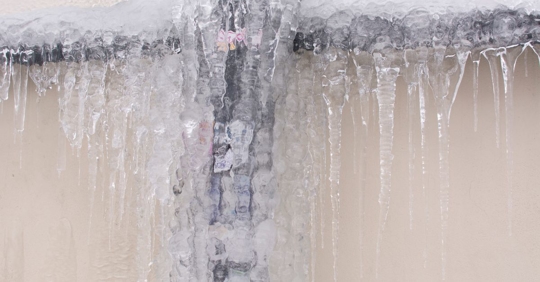
When water inside your pipes freezes, it expands and creates pressure. This pressure can cause even the strongest pipes to crack or burst, leading to significant leaks once the ice thaws. Common areas where pipes freeze include unheated basements, crawl spaces, attics, and exterior walls.
Being proactive before winter arrives is the key to protecting your plumbing system.
Insulate Exposed Pipes
One of the most effective ways to prevent frozen pipes is to insulate them. Pipes in unheated areas such as garages, crawl spaces, or along outside walls are the most at risk. Foam pipe insulation is affordable, easy to install, and provides a reliable layer of protection. For extremely cold climates, consider adding heat tape for added security.
Keep a Consistent Indoor Temperature
Even if you’re leaving home for a holiday trip, never turn off your heat completely. Keeping your thermostat set to at least 55°F ensures your pipes remain warm enough to prevent freezing. Opening cabinet doors under sinks can also help warm air circulate around vulnerable pipes.
Drain Outdoor Water Lines
Before freezing weather sets in, disconnect and drain garden hoses. Shut off water to outdoor faucets and sprinkler systems, and drain any remaining water from the lines. Leaving water in these pipes can cause them to freeze and crack, leading to issues that often go unnoticed until spring.
Let Faucets Drip in Extreme Cold
When temperatures drop into the teens or single digits, allow faucets connected to exposed pipes to drip slightly. The movement of water relieves pressure and makes it harder for pipes to freeze solid.
Seal Drafts and Leaks
Cold air entering your home through gaps and cracks can expose pipes to freezing temperatures. Inspect areas around windows, doors, and where pipes run through walls. Sealing leaks with caulk or insulation not only protects your plumbing but also improves your home’s energy efficiency.
What to Do If a Pipe Freezes
If you suspect a pipe has frozen, turn off the water supply immediately. Apply gentle heat to the frozen section using a hair dryer, heating pad, or warm towels. Never use open flames, as this can damage pipes and create fire hazards.
Stay Ahead of Winter Plumbing Issues
Preparation is the best defense against frozen pipes and the costly damage they cause. By insulating pipes, maintaining heat, and securing outdoor water lines, you can avoid emergencies and enjoy peace of mind all season long.
If you’re unsure about your home’s plumbing readiness, contact Vaughan Plumbing & Heating at (781) 277-2528. Our team can help prepare your plumbing system for winter and ensure your home is protected from frozen pipes.